Beijing Auto Show 2026: What’s China NEV Advantages when the world face Iran Energy Crisis ?
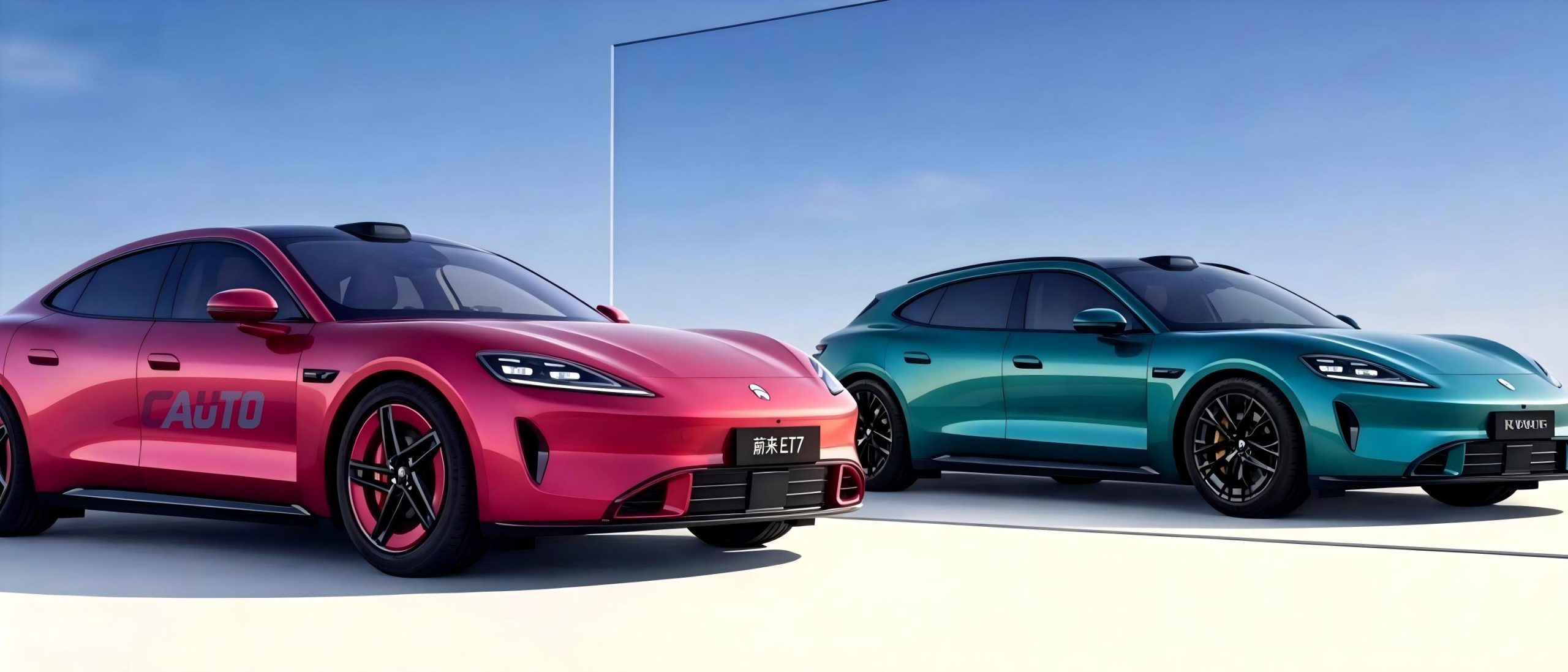
The 2026 Beijing International Automotive Exhibition (Auto China 2026), themed “Lead the Era, Inspire the Future”, opens a new chapter for China’s auto industry. As the world’s largest auto exhibition with 380,000 sq.m dual-venue exhibition space (China International Exhibition Center (Shunyi) & Capital International Convention Center), it brings together 1,451 vehicles—including 181 global debuts and 71 concept cars—showcasing the latest trends in electrification, intelligence, and green mobility. Amid the ongoing energy crisis triggered by the Iran conflict, China’s new energy vehicles (NEVs) have emerged as a key solution to global energy security challenges, presenting unprecedented opportunities for Chinese automakers in global markets. This article analyzes the exhibition details, China’s NEV advantages, the Iran energy crisis, market opportunities, and key FAQs.
1. Auto China 2026: Timeline, Venues & Key Exhibitors
1.1 Core Logistics
- Dates: April 24 – May 3, 2026 (10 days total)
- News Day: April 24–25 (media-only)
- Professional Visitor Day: April 26–27 (10:00–18:00)
- Public Day: April 28 – May 3 (10:00–18:00)
- Venues: Dual-venue linkage (Shunyi & Capital International Convention Center)
- Scale: 380,000 sq.m (world’s largest auto show), 131 countries/regions participating, 23,000+ media personnel.
1.2 Major Exhibiting Brands
The exhibition features a concentrated display of global automotive forces, with Chinese brands taking the lead:
- Traditional Chinese Brands: FAW, SAIC, GAC, Geely, Great Wall Motors, Chery, BYD
- New Chinese Power Brands: AITO (Huawei + CATL), NIO, XPeng, Li Auto, Xiaomi, AITO, Zeekr, Leapmotor
- International Brands: Mercedes-Benz, BMW, Audi, Volkswagen, Ford, GM, Toyota, Honda, Volvo, Porsche
- Supply Chain & Tech Partners: Huawei, CATL, Bosch, Horizon Robotics, Black Sesame Technologies, Wenyuan Zhixing, iFlytek
The NEV & Smart Mobility Pavilion becomes the focal point, with over 80% of exhibitors focusing on NEVs, intelligent driving, and battery technology, reflecting the global shift to green mobility.
2. Core Advantages of China’s NEVs
2.1 Full-Industry Chain & Cost Competitiveness
China boasts the world’s most complete NEV supply chain, covering batteries, motors, electronic controls, and intelligent driving. With 60% global NEV production share, manufacturers achieve economies of scale, reducing costs by 10–15% compared to Western peers. Key players like BYD, CATL, and Huawei integrate upstream and downstream resources, ensuring stable supply and competitive pricing.
2.2 Technological Leadership
- Battery Tech Breakthroughs: CATL’s 3rd-gen sodium battery (175Wh/kg energy density, -30°C low-temperature adaptability) and BYD’s Blade Battery (high safety, long range) lead global innovation. Solid-state battery R&D is also advancing, targeting 1,000km+ range.
- Intelligent Driving & Cockpits: Huawei ADS 5.0, HarmonyOS smart cockpits, and XPeng’s XNGP achieve L3/L4 ,surpassing many international brands in user experience].
- 800V Fast Charging Platform: Models like AITO M9 and XPeng G6 support 10-minute charging for 300km range, solving “range anxiety”.
2.3 Policy & Market Support
- National Incentives: NEV purchase tax reduction (5%), trade rebates, and export credit support strengthen exporters’ competitiveness.
- Market Recognition: China’s NEV retail penetration exceeds 52.9%, completing the shift from policy-driven to market-driven growth. 2026 Q1 NEV exports hit 583,000 units (YoY +110%), becoming a core growth engine36氪.
2.4 Product Diversity & Localization
China’s NEV lineup covers compact cars, SUVs, MPVs, and commercial vehicles, with pure electric, plug-in hybrid (PHEV), and extended-range electric vehicle (EREV) options to meet diverse global needs. Manufacturers excel at regional adaptation, such as right-hand drive versions for Southeast Asia and cold-climate calibration for European and Middle Eastern markets.
3. Iran Conflict-Driven Energy Crisis: Global Impact
3.1 Crisis Origins
The Iran conflict has severely disrupted the Hormuz Strait shipping route (carrying 1/5 of global oil and LNG exports), causing oil prices to surge to $100–126/barrel and pushing global energy markets into a severe crisis [26]. Shipping costs have doubled due to route diversions (e.g. Cape of Good Hope), and supply chain disruptions have raised raw material prices (rubber, plastics, aluminum).
3.2 Global Market Reactions
- Consumer Shift: U.S. and European auto platforms report a 28–36% surge in EV inquiries, as consumers prioritize energy efficiency over traditional fuel vehicles.
- Regional Pressure: The Middle East and North Africa (MENA) region faces an economic slowdown (IMF projects 1.4% growth in 2026), with high oil prices eroding consumer purchasing power for fuel-intensive vehicles.
- Energy Security Focus: Governments worldwide accelerate renewable energy deployment and NEV promotion to reduce fossil fuel dependence.
4. Opportunities for Chinese NEVs in the Crisis
4.1 Mideast Market Breakthrough
- Demand Surge: High oil prices drive demand for affordable, low-cost NEVs. Chinese brands like BYD and Chery, with their $20,000–$35,000 price range, are well-positioned to capture market share and European brands.
- Existing Layout Advantages: Chinese automakers have established dealer networks and KD assembly plants in Iran, Saudi Arabia, and the UAE, enabling rapid market expansion
- Policy Alignment: Many MENA countries offer NEV subsidies (e.g., Saudi Arabia’s 15% tax reduction) to promote green mobility, reducing entry barriers for Chinese brands
4.2 Global Energy Security Partnerships
- Cooperation with Resource-Rich Nations: China signs NEV cooperation agreements with Middle Eastern countries, combining China’s manufacturing strength with regional energy resources to build local NEV production bases and charging infrastructure.
- EU & Southeast Asia Growth: The EU tightens emission standards, while Southeast Asian countries (Thailand, Malaysia) accelerate NEV industrialization. Chinese NEVs, with their cost and tech advantages, gain traction in these high-potential markets.
4.3 Tech Output & Standard Leadership
China’s NEV tech (batteries, smart driving) becomes a global benchmark. At Auto China 2026, Chinese brands release global debut models with cutting-edge tech, enhancing international influence and standard-setting power.
5. Challenges & Response Strategies
5.1 Key Challenges
- Trade Barriers: High tariffs (U.S. 27.5%, EU 10–15%) and strict homologation standards increase export costs.
- Competition Intensification: Tesla, Ford, and GM accelerate NEV development, intensifying global market competition.
- Geopolitical Risks: U.S. pressure on allies to restrict Chinese NEVs creates market uncertainty.
5.2 Countermeasures
- Localization: Establish overseas KD assembly plants and joint ventures to bypass tariffs and meet local content requirements.
- Tech Differentiation: Invest in R&D of solid-state batteries, 1000V platforms, and L4 autonomous driving to maintain technological leadership.
- Brand Building: Strengthen global marketing and after-sales services, building a premium brand image beyond “low-cost”.
Auto China 2026 is a milestone for China’s auto industry, showcasing the world’s strongest NEV ecosystem. Amid the Iran-driven energy crisis, China’s NEVs, with their cost competitiveness, technological leadership, and full-industry chain advantages, are well-positioned to reshape the global automotive landscape. For exporters, seizing Mideast market opportunities, accelerating localization, and enhancing tech innovation will be critical to capturing global share. As China’s auto industry evolves from “Made in China” to “Created in China,” the future of global mobility is increasingly linked to Chinese NEVs.
FAQs
Q1: What are the highlights of China’s NEV displays at Auto China 2026?
A1: The highlights include 181 global debut models, concentrated displays of cutting-edge technologies (sodium batteries, 800V fast charging, L4 autonomous driving), and a 380,000 sq.m dual-venue exhibition featuring over 80% NEV-related exhibits. Key brands like BYD, Huawei, and AITO showcase their latest NEV models and intelligent solutions, demonstrating China’s leading position in global NEV technology.
Q2: How does the Iran energy crisis benefit Chinese NEV exporters?
A2: The crisis creates three key opportunities: (1) Surge in global EV demand (U.S. and European EV inquiries up 28–36%) as consumers seek energy-efficient alternatives; (2) Mideast market growth (high oil prices drive demand for affordable Chinese NEVs, with BYD and Chery well-positioned); (3) Global energy security cooperation (Chinese automakers sign partnerships with Middle Eastern countries to build local production and charging infrastructure). CAUTO / China Automotive Global Supply Chain Co., Limited established strong partnerships with major Chinese auto manufacturers to offer a wide range of vehicles including passenger cars, SUVs, commercial vehicles, and new energy vehicles.Our mission is to deliver reliable, affordable, and high-performance vehicles to customers worldwide, while providing exceptional service throughout the entire purchasing and shipping process,help customer get solution for the hard energy crisis.
Q3: What challenges do Chinese NEV exporters face, and how to address them?
A3: The main challenges are high trade tariffs (U.S. 27.5%, EU 10–15%), strict homologation standards, and geopolitical pressure from the U.S. To address these, exporters should: (1) Accelerate localization (establish overseas KD plants and joint ventures to bypass tariffs); (2) Strengthen tech R&D (solid-state batteries, 1000V platforms) to maintain competitive edges; (3) Build global brand image and after-sales networks to enhance customer trust.